Flood Cleanupg Islington
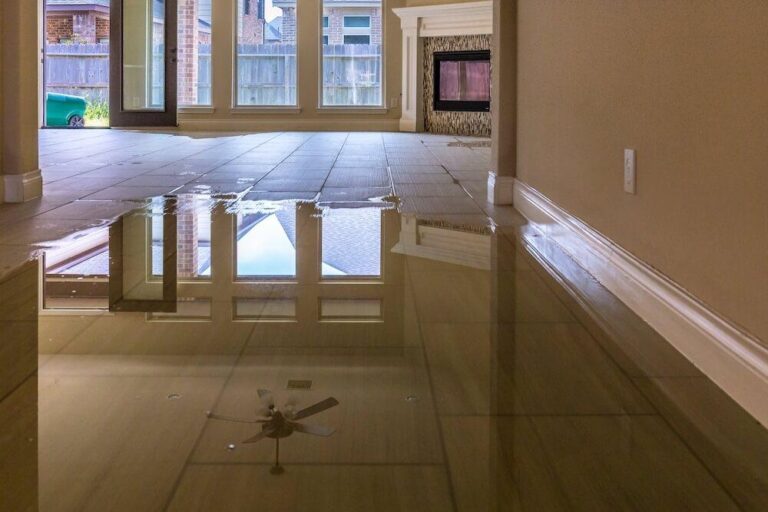
Flooding inside a property can create immediate disruption and long-lasting damage if not handled correctly. Heavy rainfall, burst pipework, blocked drainage systems, and overflowing appliances are common causes of internal flooding across Islington properties. Professional flood cleanup is essential for removing contaminated water, protecting structural materials, and restoring safe indoor conditions before secondary problems develop.
Professional Flood Recovery Services
Many property owners do not realise how quickly floodwater can spread beneath flooring, behind plaster, and into insulation. Without proper drying and sanitation, hidden moisture can lead to mould growth, unpleasant odours, and weakened building materials.
Professional restoration services use specialist extraction equipment, drying systems, and moisture monitoring to manage the recovery process efficiently. Whether the property is residential or commercial, early intervention can reduce disruption and help limit repair costs. As part of broader Water Damage Restoration Islington services, flood recovery plays an important role in protecting buildings from avoidable deterioration. Let’s explore.
Rapid Response For Flooded Properties
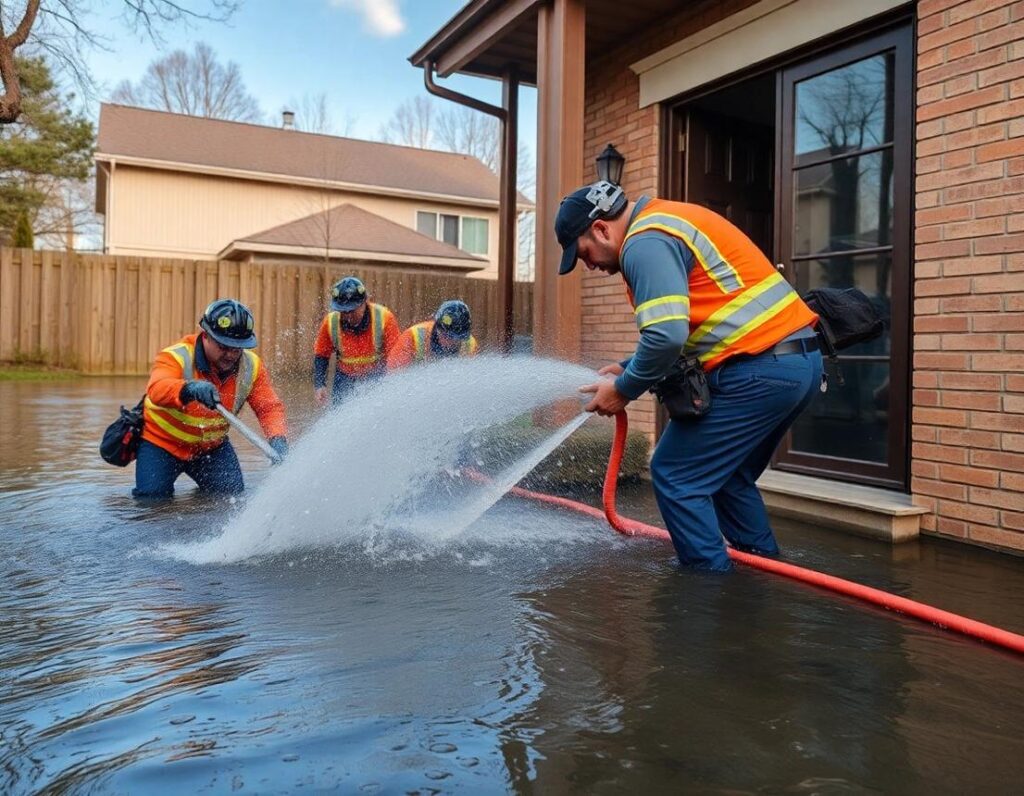
Flooding often happens without warning and can escalate quickly inside homes and commercial buildings. Our flood cleanup Islington service helps property owners manage water intrusion before extensive internal damage occurs. Quick action reduces the spread of moisture and supports a more controlled restoration process.
Standing water can damage flooring, timber structures, plaster, and electrical systems within a short period. Professional extraction equipment removes excess water efficiently while helping prevent additional complications. Early cleanup also reduces the likelihood of long-term damp conditions developing within the building.
We support landlords, tenants, businesses, and homeowners throughout Islington with organised flood recovery solutions. Every property is assessed carefully to determine the extent of water exposure and the safest restoration approach. Clear communication throughout the process helps clients understand each stage of the work being completed.
Safe Removal Of Contaminated Floodwater
Floodwater may contain harmful bacteria, sewage residue, debris, or external contaminants, depending on the source of the flooding. Safe cleanup procedures are essential to reduce hygiene risks and restore suitable living or working conditions. Professional treatment ensures affected areas are cleaned thoroughly and responsibly. Our team uses commercial extraction systems and specialist sanitation methods to manage contaminated water safely. Soft furnishings, flooring, and damaged materials are assessed carefully during the cleanup process. Proper disposal procedures help prevent further contamination across the property.
External Floodwater Contamination
Flooding caused by heavy rain or drainage overflow often introduces contaminants from outside environments. Mud, debris, and bacteria can settle into flooring, walls, and low-level structures. Careful cleaning and sanitisation help reduce health risks while supporting effective property restoration.
Appliance And Pipe Overflow Cleanup
Internal flooding from washing machines, boilers, or burst pipes can still create significant moisture damage if ignored. Prompt extraction and drying help protect flooring systems, skirting boards, and internal finishes. Early intervention often reduces the scale of restoration work required later.
Sewage-Related Flood Incidents
Sewage-affected flooding requires specialist handling due to the presence of harmful microorganisms and waste contamination. Professional cleanup involves protective procedures, deep sanitation, and controlled waste removal. Thorough treatment helps restore safer indoor conditions after serious water intrusion.
Surface Disinfection And Odour Control
Floodwater can leave behind lingering odours and bacterial residue even after visible water is removed. Professional disinfecting treatments target affected surfaces while helping improve indoor hygiene standards. Odour management methods also support a cleaner and more comfortable environment.
Preventing Long-Term Structural Damage
Floodwater can weaken building materials if moisture remains trapped within structural areas. Timber, plasterboard, insulation, and flooring systems are particularly vulnerable after prolonged water exposure. Professional drying techniques help protect the condition and stability of the property.
Moisture hidden behind walls or beneath floors often remains undetected after surface cleaning alone. Specialist monitoring equipment identifies damp areas that require additional treatment during restoration. Controlled drying supports more complete moisture removal throughout affected spaces.
Our restoration process focuses on protecting both the visible and hidden areas of the property. Effective moisture management can help reduce future repair costs while limiting disruption for occupants. Professional flood recovery also helps maintain safer conditions within residential and commercial buildings.
Specialist Drying Equipment And Techniques
Professional flood recovery relies on more than basic ventilation or household drying methods. Commercial drying systems are designed to remove moisture from structural materials more effectively and consistently. Proper equipment plays an important role in successful restoration outcomes.
Industrial Air Movers And Circulation
Air movers improve airflow across affected surfaces and accelerate evaporation throughout the drying process. Increased air circulation supports faster moisture removal from walls, flooring, and furnishings. Correct equipment placement helps target areas with the highest moisture concentration.
Commercial Dehumidification Systems
Dehumidifiers remove excess moisture from indoor air during restoration work. Lower humidity levels improve drying performance and help prevent condensation-related problems. Effective humidity control also reduces the likelihood of mould developing within enclosed spaces.
Moisture Detection Technology
Moisture meters and thermal inspection tools help identify hidden damp areas throughout the property. Accurate monitoring allows technicians to track drying progress and adjust restoration methods where needed. This process supports more reliable and controlled flood recovery results.
Controlled Structural Drying Procedures
Different materials require different drying approaches depending on their moisture absorption levels. Controlled drying procedures help minimise unnecessary damage to timber, flooring, and wall systems. Careful moisture management protects structural integrity during the restoration process.
Common Signs Your Property Needs Cleanup
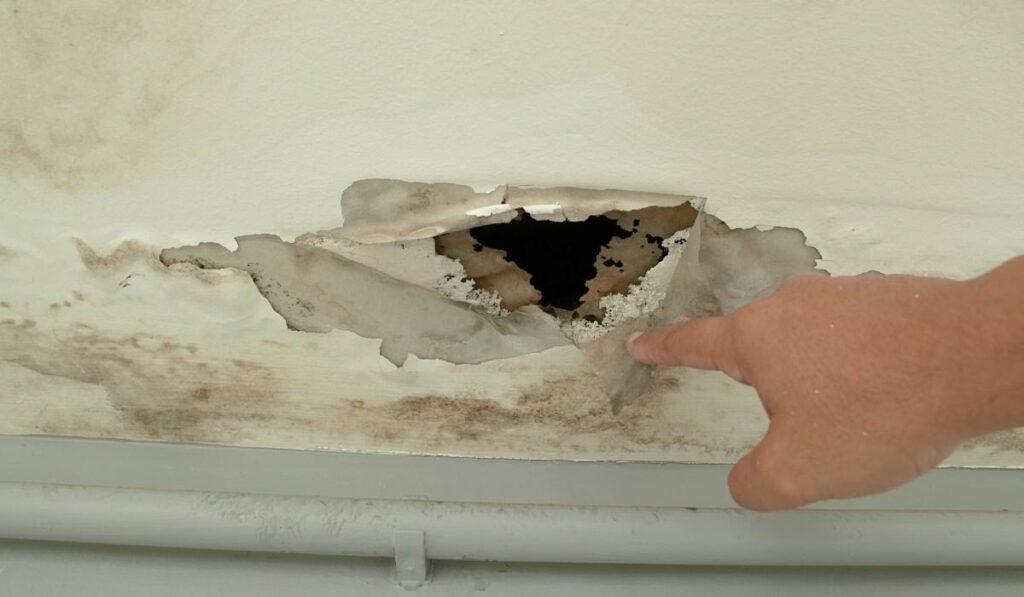
Flood-related damage is not always obvious immediately after water exposure. Some moisture problems develop gradually and become more noticeable over time. Identifying early warning signs can help property owners seek professional support before conditions worsen.
Signs your property may require flood damage cleanup Islington include:
- Persistent damp or musty smells indoors.
- Water staining on walls or ceilings.
- Warped flooring or lifting laminate surfaces.
- Peeling paint or bubbling plaster finishes.
- Increased indoor humidity after flooding incidents.
- Visible mould growth around affected areas.
- Soft or weakened skirting boards and timber.
Supporting Homes And Commercial Premises
Flooding affects properties in different ways depending on their use, layout, and occupancy levels. Residential homes may experience damaged furnishings, soaked carpets, and unsafe living conditions after water intrusion. Commercial premises often face operational disruption and potential business downtime.
Our emergency flood cleanup Islington service supports a wide range of property types across the local area. We work with homeowners, offices, shops, landlords, and managing agents requiring organised flood recovery assistance. Restoration plans are adapted according to the condition and needs of each building.
Professional flood cleanup helps reduce unnecessary delays while improving property safety during recovery. Careful restoration planning also supports smoother coordination with contractors, tenants, and insurers where necessary. Every stage of the process is handled with practical attention to detail.